
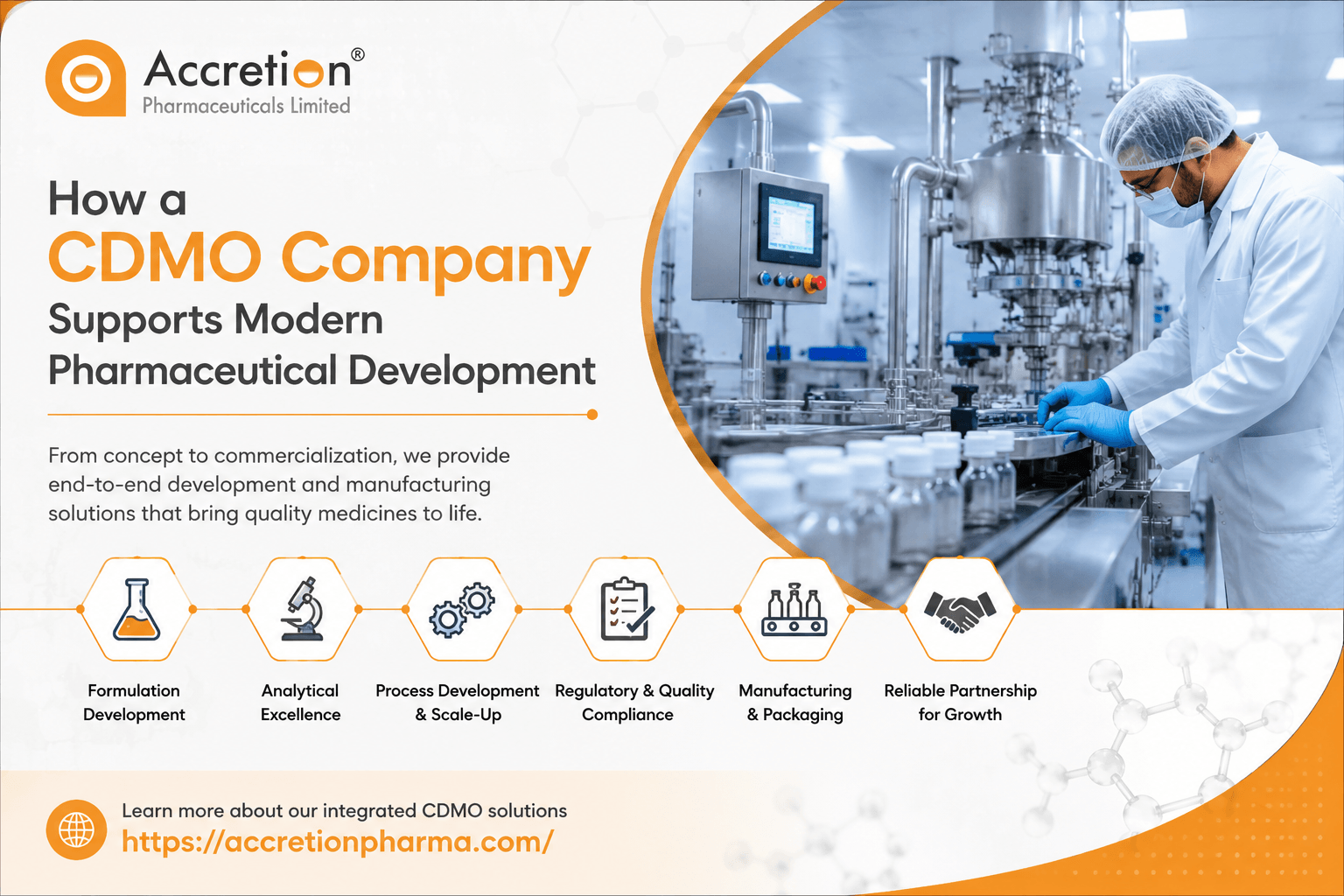
The pharmaceutical industry operates within one of the most highly regulated environments in the world. Every medicine produced must meet strict standards for safety, quality, and effectiveness before reaching patients. Regulatory compliance serves as the framework that ensures manufacturers consistently follow these standards throughout the production process. Many of the best pharmaceutical companies in Ahmedabad and across the healthcare sector prioritize compliance as a critical component of their operations. By adhering to established regulations, manufacturers can maintain product integrity, protect public health, and build trust within the healthcare ecosystem.
Understanding Regulatory Compliance in Pharmaceutical Manufacturing
Regulatory compliance refers to the adherence to laws, guidelines, and industry standards that govern pharmaceutical production. These regulations are designed to ensure that medicines are manufactured under controlled conditions and meet required quality specifications.
The primary goals of regulatory compliance include:
- Protecting patient safety
- Ensuring product consistency
- Maintaining manufacturing quality
- Supporting ethical business practices
- Reducing operational risks
Compliance requirements apply to every stage of the manufacturing process, from sourcing raw materials to distributing finished products.
Why Compliance Matters for Manufacturing Excellence
Many pharmaceutical manufacturing companies in India recognize that regulatory compliance is not merely a legal obligation but also a key driver of operational excellence. Organizations that maintain strong compliance programs often benefit from improved efficiency, reduced errors, and greater confidence in their manufacturing systems.
Key advantages of compliance include:
- Consistent product quality
- Improved process control
- Enhanced documentation practices
- Reduced risk of recalls
- Stronger stakeholder confidence
When organizations establish comprehensive compliance frameworks, they create a culture of accountability and continuous improvement that supports long-term success.
Key Components of a Compliance Framework
Effective regulatory compliance requires multiple systems and processes working together to ensure adherence to industry standards. These systems help manufacturers monitor operations, identify potential issues, and maintain quality throughout production.
Core Elements of Regulatory Compliance
| Component | Purpose |
| Good Manufacturing Practices | Ensures consistent production standards |
| Quality Management Systems | Supports ongoing quality control |
| Documentation Procedures | Provides traceability and accountability |
| Employee Training | Maintains regulatory awareness |
| Internal Audits | Identifies areas for improvement |
Together, these elements help create a structured and reliable manufacturing environment capable of meeting regulatory expectations.
The Role of Compliance in Product Quality and Patient Safety
Product quality and patient safety are directly linked to regulatory compliance. A responsible pharmaceutical company in Ahmedabad understands that every process, procedure, and quality check contributes to the safety of the final product.
Compliance helps support patient safety through:
- Thorough quality verification
- Controlled manufacturing environments
- Consistent production methods
- Effective risk management
- Detailed product traceability
These measures reduce the likelihood of defects, contamination, and quality issues that could negatively affect healthcare outcomes.
As a result, regulatory compliance remains one of the most important safeguards within pharmaceutical manufacturing.
Future Trends in Regulatory Compliance
The pharmaceutical industry continues to evolve, and compliance requirements are becoming increasingly sophisticated. Advances in technology are helping manufacturers strengthen compliance efforts while improving operational efficiency.
Emerging trends include:
- Digital quality management systems
- Automated compliance monitoring
- Real-time production tracking
- Advanced data analytics
- Greater focus on transparency and traceability
These innovations allow manufacturers to respond more effectively to regulatory expectations while maintaining high standards of quality and performance. As regulations continue to evolve, organizations must remain adaptable and committed to continuous improvement.
Conclusion
Regulatory compliance is a fundamental aspect of pharmaceutical manufacturing because it supports patient safety, product quality, and operational reliability. Through structured quality systems, standardized procedures, and continuous monitoring, manufacturers can meet regulatory requirements while maintaining high production standards. Organizations recognized as a top pharma company in Ahmedabad Gujarat demonstrate the importance of strong compliance frameworks in achieving long-term success within the healthcare industry. Companies such as Accretion Pharma reflect the ongoing commitment to maintaining regulatory excellence and supporting the production of safe, effective pharmaceutical products.
Faqs
What is regulatory compliance in pharmaceutical manufacturing?
Regulatory compliance involves following the laws, standards, and guidelines that govern pharmaceutical production to ensure product safety and quality.
Why is compliance important in the pharmaceutical industry?
It helps protect patients, maintain product consistency, ensure legal adherence, and support overall manufacturing excellence.
What are Good Manufacturing Practices?
Good Manufacturing Practices are guidelines that establish requirements for production processes, quality systems, facilities, and documentation.
How does compliance improve product quality?
Compliance ensures that products are manufactured under controlled conditions and undergo rigorous quality checks throughout production.