
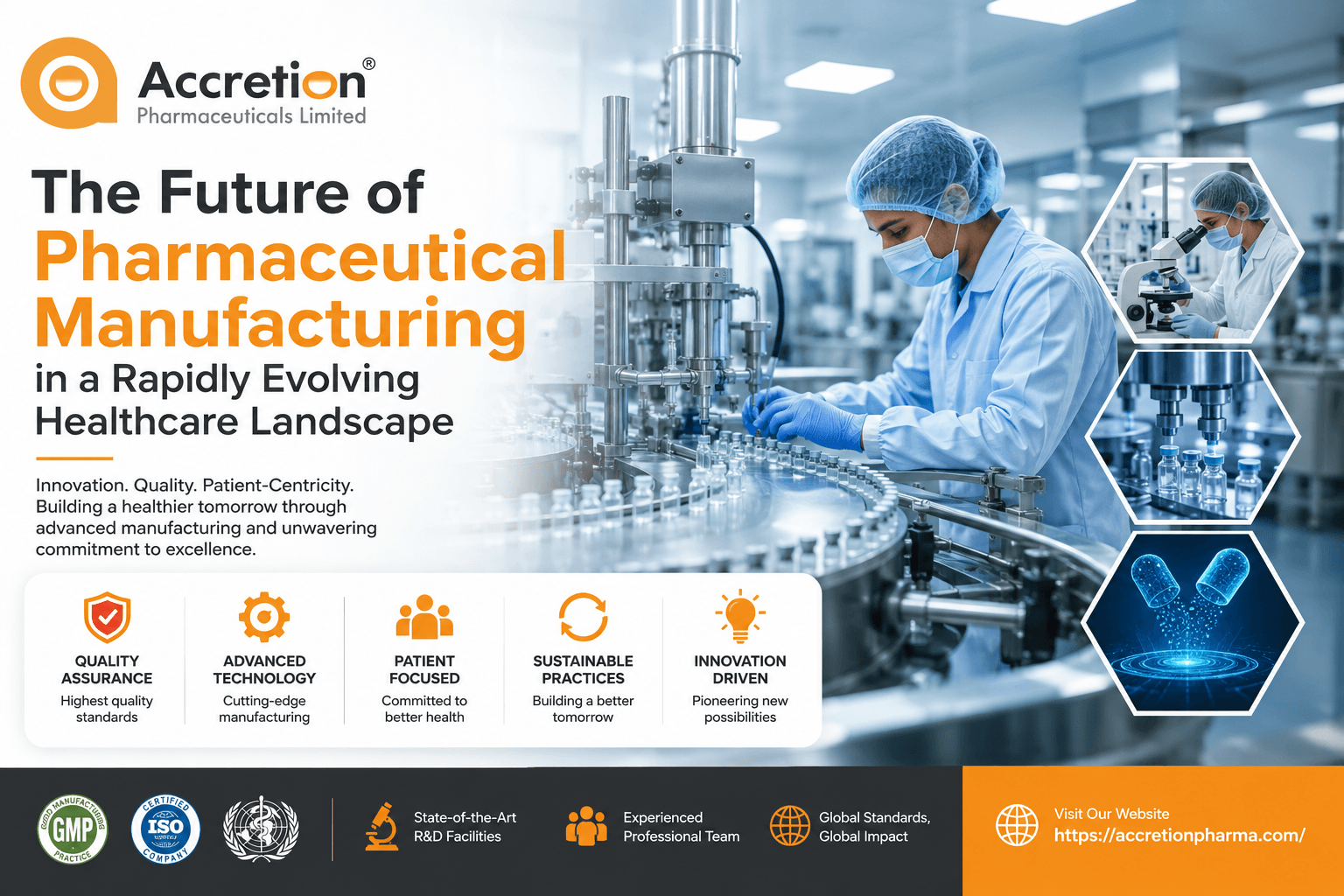
The pharmaceutical industry is undergoing significant transformation as healthcare systems adapt to changing patient needs, technological advancements, and increasing regulatory expectations. Manufacturers are expected to deliver high-quality medicines efficiently while maintaining safety, consistency, and innovation. As demand for pharmaceutical products continues to grow globally, manufacturing processes are evolving to become more agile, scalable, and technology-driven. These developments are shaping a future where efficiency, quality assurance, and adaptability play central roles in supporting better healthcare outcomes.
The Growing Importance of Advanced Manufacturing Technologies
Technology has become a driving force behind pharmaceutical manufacturing. Automation, data analytics, artificial intelligence, and advanced quality control systems are helping manufacturers improve productivity and reduce operational risks.
Modern manufacturing technologies offer several advantages:
- Improved production efficiency
- Enhanced product consistency
- Reduced human error
- Better quality monitoring
- Faster decision-making processes
As healthcare demands become more complex, pharmaceutical companies are increasingly investing in innovative systems that support reliable and scalable production capabilities.
The Rise of Flexible Manufacturing Models
The pharmaceutical sector has witnessed growing interest in outsourcing and collaborative production models. A third party manufacturing company can help businesses expand production capacity, optimize resources, and improve operational flexibility without requiring significant infrastructure investments.
These manufacturing partnerships provide benefits such as:
- Faster market entry
- Efficient resource utilization
- Reduced capital expenditure
- Access to specialized expertise
- Greater production scalability
As pharmaceutical markets become more competitive, flexible manufacturing arrangements are expected to play an increasingly important role in meeting industry demands.
Quality Assurance and Regulatory Compliance
Maintaining product quality remains one of the most critical aspects of pharmaceutical manufacturing. Regulatory authorities worldwide continue to strengthen standards related to safety, efficacy, and production practices.
Key Areas of Focus in Pharmaceutical Manufacturing
| Area | Importance |
| Quality Control | Ensures product consistency |
| Regulatory Compliance | Supports legal and safety requirements |
| Process Validation | Improves manufacturing reliability |
| Documentation | Enhances traceability and accountability |
| Risk Management | Reduces operational disruptions |
Strong quality management systems help manufacturers maintain trust, improve operational efficiency, and ensure that medicines meet required standards throughout the production process.
Sustainability and Innovation in Pharmaceutical Production
Sustainability has become an important priority across the healthcare sector. Pharmaceutical manufacturers are exploring ways to reduce environmental impact while maintaining high production standards. Many Third Party Manufacturing Pharma Companies In Gujarat and similar organizations are increasingly adopting sustainable practices within their operations.
Key sustainability initiatives include:
- Energy-efficient manufacturing processes
- Responsible waste management
- Reduced water consumption
- Environmentally conscious packaging
- Optimized supply chain operations
Alongside sustainability efforts, innovation continues to drive the development of advanced manufacturing techniques that support both efficiency and environmental responsibility.
The Future Workforce and Digital Transformation
As pharmaceutical manufacturing becomes more technologically advanced, workforce requirements are also evolving. Future manufacturing environments will require professionals with expertise in automation, data management, quality systems, and advanced production technologies.
Several trends are expected to influence the future workforce:
- Increased use of digital manufacturing platforms
- Greater reliance on automation systems
- Expanded demand for technical skills
- Enhanced focus on continuous learning
- Stronger integration of data-driven decision-making
Organizations that invest in workforce development and technological adoption will be better positioned to navigate industry changes and maintain competitiveness in the years ahead.
Conclusion
The future of pharmaceutical manufacturing will be shaped by technological innovation, sustainability initiatives, quality-focused operations, and evolving workforce requirements. As the healthcare landscape continues to change, manufacturers must remain adaptable and committed to continuous improvement. Organizations associated with the Top 10 Third-Party Manufacturing Pharma Companies in Ahmedabad reflect the industry’s growing emphasis on efficient, scalable, and high-quality production practices. Companies such as Accretion Pharma highlight the importance of embracing modern manufacturing approaches to support the future of healthcare and pharmaceutical development.
Faqs
Why is pharmaceutical manufacturing evolving rapidly?
The industry is responding to growing healthcare demands, technological advancements, stricter regulations, and the need for greater operational efficiency.
How does automation improve pharmaceutical production?
Automation increases accuracy, improves consistency, reduces errors, and helps optimize manufacturing processes.
Why is quality assurance important in pharmaceutical manufacturing?
Quality assurance ensures that products meet safety, efficacy, and regulatory standards while maintaining consistency throughout production.
How does sustainability benefit pharmaceutical manufacturers?
Sustainable practices help reduce environmental impact, improve resource efficiency, and support long-term operational goals.