
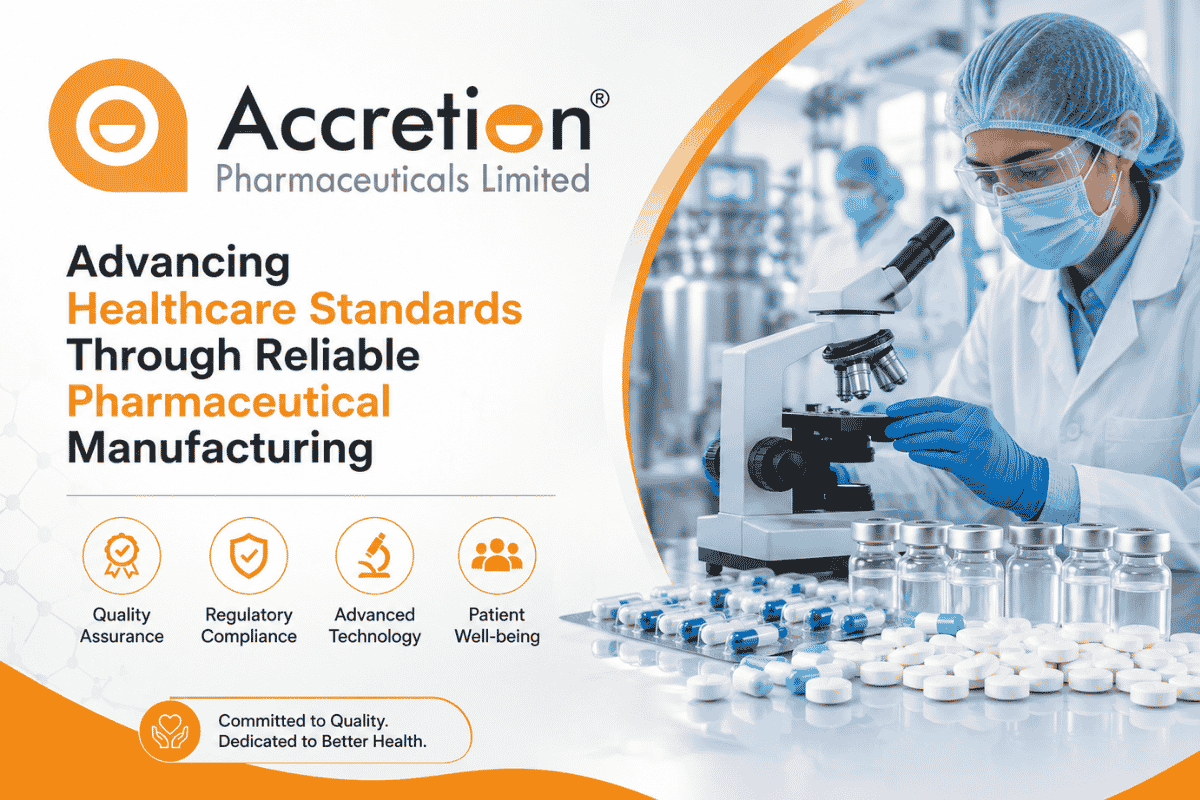
The pharmaceutical industry plays a vital role in supporting global healthcare systems by ensuring the availability of safe and effective medicines. As healthcare demands continue to grow, pharmaceutical manufacturing has become increasingly focused on quality, efficiency, and innovation. Companies recognized as a top pharma company in Ahmedabad are often associated with advanced manufacturing practices, operational reliability, and strong quality standards that contribute to the evolving healthcare sector.
Modern pharmaceutical production requires strict compliance with safety regulations, efficient infrastructure, and continuous technological advancement. These factors help maintain consistent product quality while supporting large-scale healthcare needs across domestic and international markets.
The Importance of Pharmaceutical Manufacturing in Healthcare
Pharmaceutical manufacturing forms the foundation of medicine production and healthcare accessibility. Reliable manufacturing systems ensure that medicines are produced safely, consistently, and in accordance with industry regulations.
Some important functions of pharmaceutical manufacturing include:
- Production of safe and effective medicines
- Maintenance of quality control standards
- Support for healthcare supply chains
- Development of scalable manufacturing systems
- Compliance with industry regulations
The contribution of pharmaceutical manufacturers in Gujarat is especially significant because the region has developed into a major
pharmaceutical and industrial hub supporting healthcare production and distribution.
Key Factors That Influence Pharmaceutical Production Quality
Maintaining quality in pharmaceutical manufacturing requires attention to operational precision, infrastructure standards, and regulatory compliance. Efficient manufacturing systems help improve product consistency while reducing operational risks.
The table below highlights important factors commonly associated with pharmaceutical manufacturing operations:
| Factor | Importance |
| Quality Control Systems | Ensures product consistency |
| Regulatory Compliance | Supports industry-standard production |
| Advanced Infrastructure | Improves manufacturing efficiency |
| Skilled Workforce | Enhances operational precision |
| Process Optimization | Reduces production delays |
These factors help pharmaceutical companies maintain operational stability while ensuring medicines meet required safety and quality standards.
The Role of Technology in Modern Pharmaceutical Operations
Technology has transformed pharmaceutical manufacturing by improving operational accuracy, efficiency, and process monitoring. Modern production facilities increasingly depend on automated systems and advanced testing methods to maintain quality standards.
Important technological advancements in pharmaceutical manufacturing include:
- Automated production systems
- Real-time quality monitoring
- Advanced packaging technologies
- Digital inventory management
- Precision testing and validation systems
Technology-driven operations help pharmaceutical companies improve productivity while supporting compliance with evolving healthcare regulations and manufacturing standards.
Why Infrastructure and Location Matter in Pharmaceutical Manufacturing
The location and infrastructure of pharmaceutical facilities significantly influence operational efficiency and supply chain management. Manufacturing facilities located in industrial regions often benefit from better logistics, connectivity, and access to skilled professionals.
A well-established pharmaceutical company in Changodar may benefit from organized industrial infrastructure and operational support systems that contribute to manufacturing efficiency and distribution management.
Additional advantages of strong pharmaceutical infrastructure include:
- Better workflow organization
- Improved production scalability
- Reduced operational downtime
- Enhanced quality assurance
- Efficient distribution management
As healthcare demands continue to rise, efficient manufacturing environments remain essential for supporting stable pharmaceutical production and delivery systems.
Emerging Trends in the Pharmaceutical Industry
The pharmaceutical sector continues evolving due to increasing healthcare awareness, technological innovation, and changing market demands. Manufacturing practices are adapting to support operational efficiency and sustainable production systems.
Some important trends shaping pharmaceutical manufacturing include:
- Greater automation in production processes
- Increased focus on research and development
- Sustainable manufacturing practices
- Advanced quality assurance technologies
- Improved supply chain management systems
These developments help pharmaceutical companies maintain efficiency while supporting long-term healthcare accessibility and operational growth.
Conclusion
Pharmaceutical manufacturing continues to play an essential role in supporting healthcare systems and ensuring consistent medicine availability across growing markets. As industry standards evolve, companies increasingly focus on quality, operational efficiency, and technological advancement to maintain reliable production systems. Organizations like Accretion Pharma contribute to the expanding pharmaceutical sector by supporting manufacturing practices designed to align with modern healthcare and industrial requirements. Recognized among discussions around the Best pharma company in Ahmedabad, such organizations continue strengthening the pharmaceutical ecosystem through innovation and quality-focused manufacturing approaches.
FAQs
Why is pharmaceutical manufacturing important in healthcare?
Pharmaceutical manufacturing ensures the safe and efficient production of medicines required for healthcare treatment and disease management.
What factors influence pharmaceutical production quality?
Quality depends on infrastructure, regulatory compliance, skilled professionals, and strong quality control systems.
How does technology improve pharmaceutical manufacturing?
Technology improves automation, production accuracy, quality monitoring, and operational efficiency.
Why is infrastructure important in pharmaceutical operations?
Strong infrastructure supports workflow efficiency, production scalability, and reliable distribution systems.